
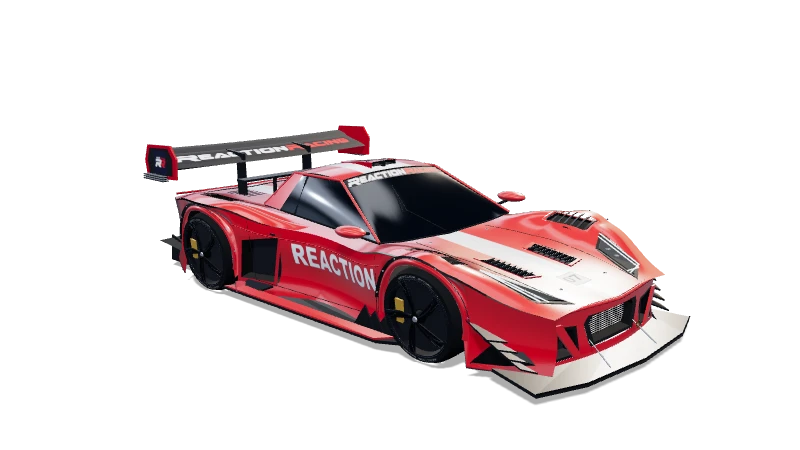
Organise a short in-game warm-up around clean reactions, a controlled battle and one race goal. A practical routine, not a real-world readiness test.
The first race of a session often asks you to do several things at once: settle your grip, remember the cue, read a new target and make a competitive decision. A short warm-up separates those jobs. Its purpose is to make the controls familiar and pick one useful goal—not to manufacture a record before racing.
This is a five-minute practice routine, not a separate feature you must unlock. Use the Academy or practice options available in your current build. If a particular exercise is unavailable, spend that minute reviewing the corresponding race-flow example; do not substitute a different task and compare its time as though nothing changed.
0:00–1:00 — establish a repeatable setup
Use your normal device, orientation and grip. Place your hands so the active area is reachable without changing your hold halfway through a response. Close distractions that would force you to look away, then read the exercise instructions once.
If you have changed phones or input method, label the session as a new setup. A different display, touchscreen or input path can change the recorded result. You are trying to recognise how this setup behaves, not prove that yesterday's number transfers unchanged.
1:00–2:00 — wait for the actual cue
Practise normal turns without anticipating the lamp rhythm. The lamps build red; at lights out, the target appears at a variable position and size. Your instruction is simple: see the target, find green, then act. Keep misses and early actions visible in your notes instead of counting only your best hits.
For each response, distinguish “I reacted late” from “I moved before I had located the target.” The second mistake calls for a better visual cue, not more urgency. End the minute with the same grip you began with.
2:00–3:00 — make accuracy repeatable
Continue with normal turns, this time looking for a short run of clean responses. A target in an awkward location is part of the task, not a reason to discard the result. If you cannot repeat clean hits, slow the movement enough to find out where it goes wrong.
For context, our latest-ten-race sample had a clean normal-turn median of 416 ms and a faster-quarter marker of 389 ms. Those are descriptive values from six drivers, not a pass mark for this routine. Reaching 389 ms once tells you less than understanding why the next few responses were safe or unsafe. Do not replace your own repeated-session baseline with the quickest number in someone else's sample.
3:00–4:00 — choose one battle task
Pick either attack or defence. For an attack, identify the opening and the route around the rival before sliding across the line. For defence, locate the green safe area and the surrounding hazards before committing to the movement. Keep the same task for the minute so the feedback is comparable.
Review whether the path was wrong, the movement was inaccurate or the finish was too late. The recent clean medians—517 ms for attack and 483 ms for defence—differ because the tasks differ. Their recorded durations include the control movement. A clean slide can still lose on timing, so do not equate “valid” with “won.” See the battle guide for a more detailed breakdown.
4:00–5:00 — choose one instruction for the race
Look at the most repeatable problem from the preceding minutes and turn it into a short instruction. Examples include “locate green before moving,” “read the opening first,” or “reset after a spin.” Avoid choosing three improvements at once. You want an instruction you can remember when the next cue appears.
Start the race with that goal, then review it afterwards using both clean times and mistakes. If the warm-up became frustrating and you stopped reading the results, take a break instead of extending it until you finally produce a flattering score.
Keep the result modest and useful
The output of this routine is a settled setup and one practice goal. It is not evidence that five minutes guarantees faster reactions, prevents mistakes or establishes readiness for an activity outside the game. The race benchmarks exclude invalid and capped actions and come from a small, uneven sample; the methodology is published alongside them.
Repeat the routine when it helps you start deliberately. For a longer-term comparison, use the same device and task and record typical clean times together with errors. Our practice guide explains how to build that record without letting lucky taps dominate it.